It’s one of the first questions people ask before booking a tint job, and it’s a fair one. Window tint isn’t cheap, so knowing how long it’s actually going to hold up before you need to think about it again matters. The honest answer depends a lot on the quality of the film and how it was installed, but there are some solid numbers to work from, along with clear signs that tell you when a tint job is done and needs replacing.
The Short Answer
Good quality window tint, properly installed, typically lasts anywhere from 10 to 20 years. That’s a wide range, and the reason for it comes down almost entirely to film quality. Cheaper dyed films on the lower end of the market can start fading or bubbling in as little as 2 to 5 years. Ceramic and carbon films, which are what most reputable shops install today, are built to last far longer and generally hold their colour, clarity, and performance for well over a decade.
So if someone tells you their tint started peeling after two years, that’s almost never a sign that window tint in general doesn’t last. It’s usually a sign of low-grade film, a rushed installation, or both.
What Actually Makes Tint Fail Early
Sun exposure is the single biggest factor. Ontario summers bring plenty of strong, direct UV exposure, and cars parked outside all day, especially without any shade, take the brunt of it. Over years of that exposure, the adhesive layer bonding the film to the glass slowly breaks down. This is normal and expected eventually, but poor quality film breaks down much faster under the same conditions.
Installation quality plays just as big a role. A film that isn’t properly cleaned and applied without air bubbles or debris trapped underneath will start showing problems within the first year or two, regardless of how good the film itself is. This is one of the reasons a slightly higher upfront cost for a proper professional install tends to pay off many times over compared to a rushed, cheaper job.
Regular use also matters more than people expect. Windows that get rolled down and up frequently put mechanical stress on the edges of the tint where it meets the window seal, which can be where peeling starts first if the install wasn’t done carefully.
Signs Your Tint Needs Replacing
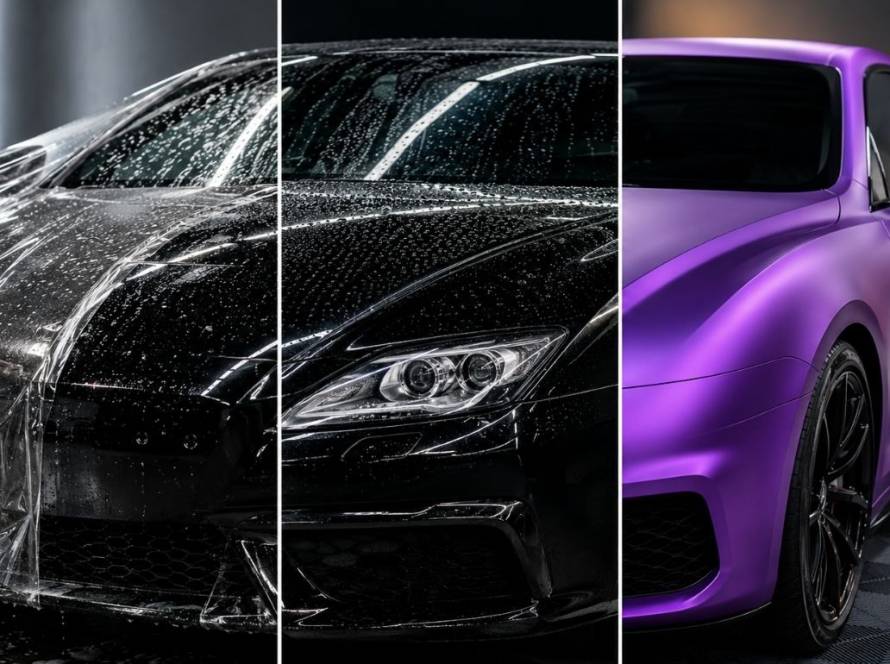
The most obvious sign is bubbling. Small air pockets forming under the film mean the adhesive has started to fail in that spot, and it will only spread over time. Purple or discoloured patches are another clear signal, usually appearing on older dyed films as the pigment breaks down from UV exposure. Once tint starts turning purple, it’s not coming back to its original shade.
Peeling at the edges, especially near the top of the window or around the defrost lines on the rear windshield, is another common sign. And if the tint has gone hazy or cloudy in a way that noticeably reduces visibility, especially at night, that’s not just cosmetic anymore. It can genuinely affect safe driving, particularly for the rear and side windows drivers rely on for checking blind spots.
Does Climate in Kitchener Affect Tint Lifespan?
Ontario’s swing between hot, sunny summers and freezing winters is tougher on tint than a more stable climate would be. The constant expansion and contraction of the glass with temperature changes puts extra stress on the film’s edges over time. It’s not something that causes early failure on its own with good quality film, but it’s part of why choosing a higher grade ceramic or carbon film matters more here than it might in a milder climate.
What to Do When It’s Time to Replace It
Old tint has to be fully removed before new film goes on, adhesive residue and all, otherwise the new tint won’t bond properly and will show the same problems again within a year or two. This is usually where people realize replacing tint is a bit more involved than the original install, since removal takes real time and care to avoid damaging the glass or any window defrost elements.
If your current tint is showing any of the signs above, it’s worth getting it looked at before it gets any worse, both for appearance and because failing tint that affects visibility isn’t something to put off.
The Bottom Line
Quality window tint, done right the first time, should realistically last well over a decade. If yours is falling apart sooner than that, it usually points back to the film quality or the install rather than tint being a short-term product. Knowing the signs, bubbling, discolouration, peeling, and reduced visibility, makes it easy to tell when it’s time to stop patching things up and just get it redone properly.
FAQ
How many years does window tint typically last?
Good quality ceramic or carbon film, properly installed, typically lasts 10 to 20 years. Cheaper dyed film can start fading or bubbling in as little as 2 to 5 years.
What causes window tint to bubble?
Bubbling happens when the adhesive layer bonding the film to the glass starts to break down, usually from a combination of UV exposure over time and lower quality film or installation.
Why does window tint turn purple?
Older dyed films can turn purple as the pigment breaks down from prolonged UV exposure. This discolouration is permanent and means the film needs replacing.
Can I put new tint over old tint?
No, old tint and all adhesive residue need to be fully removed first, otherwise the new film won’t bond properly and will likely show the same problems again within a year or two.
Does peeling tint affect visibility and safety?
Yes, especially if it’s on the rear or side windows, since hazy or peeling film can reduce visibility needed for checking blind spots and driving safely at night.